
Blog·July 6, 2026·6 min read
Festival and DJ Content Without Ruining the Show
What a festival videographer does, how to film a DJ set without getting in the way, and what you should have posted before the last song.
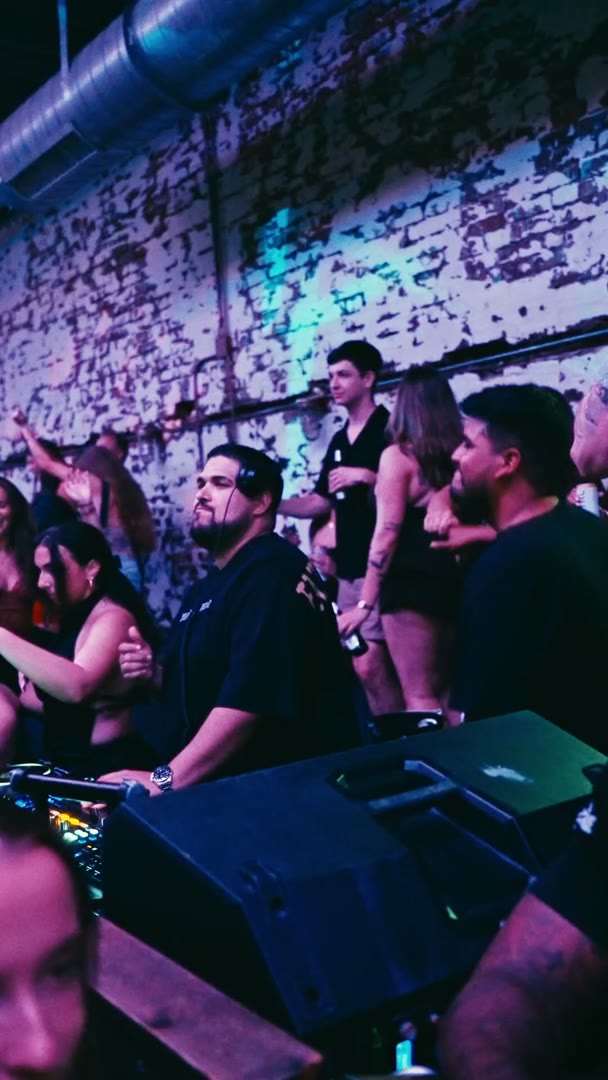
People ask me if filming festivals is rough on the ears. I tell them, what?
A festival videographer films the stage and the crowd, then cuts it into clips and a recap you can post while people are still talking about the night. The good ones do it without anyone in the crowd remembering they were there. With us, festival and nightlife coverage is quoted per job and usually sits between $1,000 and $4,000 per event day.
The camera is the easy part. Staying out of the way is the job.
What does a festival videographer actually do?
A festival videographer captures the show the way the crowd felt it, then turns it into something the promoter can post and sell with. That means the stage, sure. It also means the line at the gate, the people up on shoulders, the sponsor tent and the DJ walking in.
Most of our event work splits into two lanes. One of us stays on the stage. The other floats through the crowd and the back of house. If you want interviews with artists or attendees, we set those up off to the side where you can actually hear someone talk. If you want a photo recap too, that comes from the same crew.
Then there is the edit, because a hard drive full of footage is not something anyone can post. What you post is a one-minute recap.
How do you film a DJ without ruining the set?
You stay out of the DJ's space, off the crowd's sightline, and you never point a light at anyone. That covers most of it.
The booth is the DJ's office. We ask before the set where we can stand and what is off limits, and we stick to it. Some DJs love a camera over the shoulder. Some want nobody behind the decks at all. Either is fine. It is their show.
The crowd paid to see the stage, not the back of my head. So we shoot from the edges and from anything the venue lets us stand on, and we move between songs, not during the drop.
No camera lights on the floor. The venue's lighting is the look. If the room is dark, the room is dark, and that is what a night out looks like. A bright camera light turns a club into a gas station at 2 a.m.
Sound is the part people forget. The camera mic hears the speakers and not much else. If the sound person can give us a feed from the board, the clips sound like the night instead of a phone video from the parking lot.
One more thing about the music. A DJ set is full of songs the DJ did not write, and a clip carrying someone else's track can get muted after it posts. We talk that through with the artist and the promoter before the night, so nobody is surprised on Monday.
Here is where I disagree with most agencies
A lot of agencies show up to a nightclub like it is a car commercial. Gimbals, big lights, a crew of six and a producer with a clipboard. The crowd notices and so does the DJ, and the footage ends up looking like an ad for a night instead of the night.
Fancy is a tax. Vidico's 2026 cost guide puts a three to five person crew at $2,500 to $8,000 a day. A festival with several stages running at once can need that many people. A DJ night at a club does not.
What people want to see is the crowd. Nobody scrolls past a real room of people losing it to a song. They scroll past a slow-motion drone shot of a parking lot every time.
The person is the brand here too. Film the DJ and the regulars who come every week, not the logo on the banner.
So we bring two people and small cameras, and we show up with a plan. I would rather be the two people you forgot were there than the crew everyone had to step around.
What should a nightlife videographer deliver the same night?
At least one short clip before the night ends, so the promoter can post while the crowd is still in the room and still on their phones. We can cut same-day recap reels and turn them around within an hour. We can do same-day photo recaps too.
Speed matters because attention is short. Influencer Marketing Hub, citing Metricool's 2026 data, puts average Reel watch time at about 8.5 seconds. So the first couple of seconds are the whole pitch. Open on the drop and the crowd, not on a logo or a title card with the date on it.
The full recap comes after, once we have slept. If you want to know how that longer film works, I wrote about the event recap video and why it sells next year's tickets.
Is a concert videographer different from a festival videographer?
Mostly in scale. A concert is usually one stage and one night, so one or two shooters can cover it. A festival is several stages over one or more days, with people moving between them, so the coverage has to move too.
The questions to ask before you book are the same either way:
- Have you filmed in the dark before, and can I see it?
- Who talks to the artist about where you can stand?
- What do I get the same night, and what do I get later?
- How many revisions are included?
- Who owns the footage?
Ours come with two rounds of revisions, and the footage is yours. If a videographer cannot show you dark-room work, keep looking. Daylight footage of a conference tells you nothing about a club at midnight.
What we do about it
We quote festivals, DJ nights and concerts per job. One number covers the shooters, the days, travel if we leave Tampa Bay, and the edit. Everything that moves that number is in event videography pricing.
Before the night, we get on a call with you, and the artist if we can, to plan the shots, where we stand and what you need posted when. We plan harder than we play. On the night, you run your event. We follow it.
You can see finished event work in the portfolio.
FAQ
How many videographers does a festival need?
Two for a single stage with a crowd, then one more for each stage running at the same time. Past that, you are paying for footage the edit has to wade through and nobody will ever watch.
Can you film in a dark club without extra lights?
Yes. We shoot with the venue's lighting and keep camera lights off the floor. Dark footage of a real room looks like a night out. A lit-up room looks like a fire drill.
Do you travel for festivals outside Tampa?
Yes, for the right project. We are based in Tampa Bay, and travel, hotel and food fold into the one price for the event.
Got a festival or a DJ night coming up? Book a 20-minute call and bring the dates and what you want posted the same night.
Want this done for you?
You film once a month. We write it, shoot it, cut it and post it three times a week. Retainers from $1,000 a month, and you can see what it costs before we talk.